Jute Geotextiles & Soil Saver for Erosion Control
Woven jute geotextiles and open-mesh soil saver fabric for slope protection, embankment stabilisation and erosion control: a natural alternative to synthetic geotextiles that biodegrades once vegetation has taken hold.
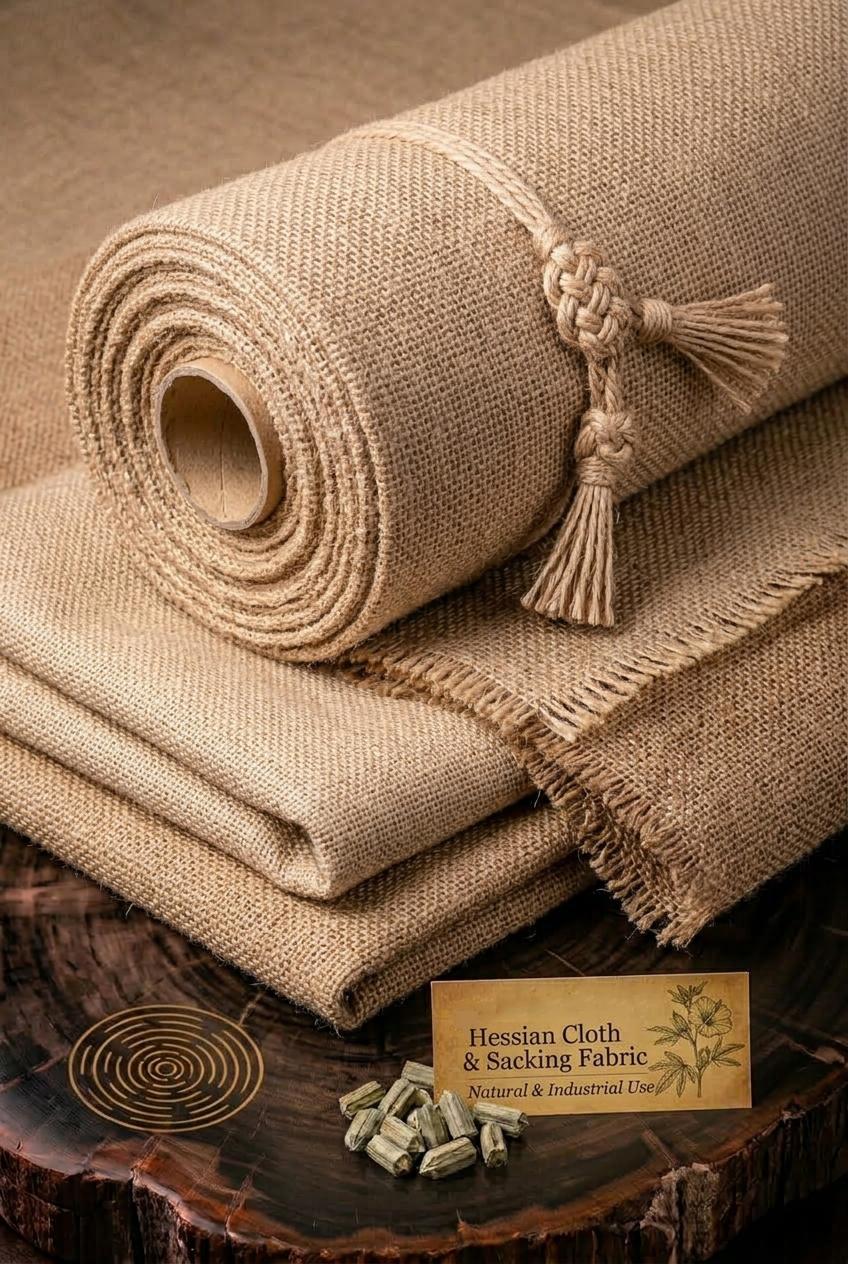
Jute Geotextiles & Soil Saver Fabric
Jute geotextiles are woven jute fabrics laid on soil to control erosion and stabilise embankments, slopes and riverbanks while vegetation takes root. Because jute is 100% natural, the fabric holds soil and moisture in place during the critical establishment period and then biodegrades into organic matter, leaving no synthetic residue behind. MASK Associates added woven geotextiles to its range alongside its hessian and sacking cloth, and its work with treated jute for oil-spill containment during the 2010 Deepwater Horizon response was recognised by the US EPA.
Erosion Control
Heavy open-mesh fabric protects exposed soil on embankments and slopes from rain and runoff.
Biodegrades in Place
Breaks down into organic soil matter instead of leaving synthetic fragments in the ground.
Proven in Harsh Use
Treated jute was used for oil containment in the Deepwater Horizon response, recognised by the US EPA.
Available Subtypes & Specifications
- Soil Saver / Geotextile Cloth
- Heavy mesh fabric used for soil erosion control along embankments.
- Woven Hessian Geotextile
- Plain-weave hessian from 7 oz to 14 oz per square yard; widths from 30 to 72 inches.
- Project Specifications
- Mesh opening, weight and roll dimensions are confirmed per project. Send your specification for a quotation.
How It Is Sold & Shipping Specifications
- Packaging
- Shipped in continuous rolls or flat-folded in export-pressed bales.
- Shipment Terms
- Metric tons or yardage per 20'/40' FCL.
Typical applications
- Embankment and slope stabilisation
- Riverbank and coastal erosion control
- Road and railway cuttings
- Landscaping and revegetation
- Mine and quarry rehabilitation
Frequently asked questions
What are jute geotextiles used for?
Jute geotextiles are laid over exposed soil on embankments, slopes and riverbanks to protect it from rain and runoff while vegetation establishes. The fabric holds soil and moisture in place, then biodegrades into organic matter.
How do jute geotextiles compare to synthetic geotextiles?
Synthetic polypropylene geotextiles persist in the ground for centuries and can break down into microplastics. Jute is 100% natural and degrades into organic soil matter, so it suits temporary erosion control where plants will take over the job of holding the soil.
How was MASK Associates involved in marine oil spill cleanups?
During the 2010 Deepwater Horizon oil spill in the Gulf of Mexico, MASK Associates developed an innovative oil spill containment system using specially treated raw jute and jute ropes. Unlike synthetic plastic absorbent booms, jute trapped heavy petroleum oil while remaining 100% biodegradable—a solution recognized by the United States Environmental Protection Agency (EPA).
What are MASK Associates' standard shipping terms and origin port?
Port of Origin: Chittagong Port (Chattogram Sea Port), Bangladesh. Incoterms: FOB Chittagong, CFR, or CIF to major global ports worldwide. Inland Transit Protection: All cargo is transported from our mills to port logistics yards in covered, dry-body trucks to guarantee protection from rain and ambient humidity.
You may also need
General Commercial & Buyer Terms
Port of Origin
Chittagong Port (Chattogram), Bangladesh.
Incoterms
FOB Chittagong, CFR, or CIF worldwide destinations.
Payment Terms
Irrevocable Letter of Credit (L/C at sight) or T/T incoterms.
Quality Verification
ISO 9001:2015 & ISO 14001:2015 certified.